
As a divorced dad navigating the challenges of co-parenting, I know firsthand how overwhelming it can feel to maintain a healthy relationship with your ex while putting your children first. After years of experience and learning from both successes and mistakes, I’ve discovered effective strategies that make co-parenting smoother for everyone involved.
I’ve found that successful co-parenting isn’t just about splitting time with your kids – it’s about creating a supportive environment where they can thrive despite having two separate households. Whether you’re newly separated or looking to improve your existing co-parenting dynamic, these practical tips will help you become a more effective father while maintaining your sanity and strengthening your relationship with your children.
Key Takeaways
- Successful co-parenting requires clear communication channels, using digital tools like co-parenting apps to track schedules, expenses, and important documents
- Establishing consistent routines and rules across both households helps reduce children’s anxiety and promotes stability in their development
- Maintain a respectful, business-like relationship with your ex-partner by focusing solely on child-related matters and setting clear boundaries
- Provide emotional support to children through regular check-ins, active listening, and creating quality one-on-one time without devices
- Practice self-care through stress management techniques, support groups, and professional guidance to maintain effectiveness as a co-parent
Understanding Your Role as a Co-Parent
As a divorced dad navigating co-parenting, I’ve learned that success depends on clearly defining responsibilities while maintaining respect for both parents’ roles. Here’s how I manage my co-parenting journey effectively.
Accepting the New Family Dynamic
I focus on accepting my transformed family structure by acknowledging these key elements:
- Establish clear boundaries with my ex-partner about personal lives
- Maintain separate households with distinct routines
- Create a new communication system focused solely on parenting matters
- Accept that special occasions might require flexibility in scheduling
- Recognize my ex-partner’s continued importance in our children’s lives
- Keep conversations about my ex-partner neutral or positive
- Maintain consistent rules between both homes
- Listen actively when children express feelings about the divorce
- Support their relationships with both parents equally
- Create a predictable schedule for transitions between homes
- Document important events through a shared digital calendar
- Attend children’s activities together when appropriate
| Children’s Needs | Implementation Strategy |
|---|---|
| Emotional Support | Daily check-ins & open dialogue |
| Routine Stability | Consistent schedule across homes |
| Parental Unity | Joint attendance at events |
| Communication | Shared digital tools & calendars |
Establishing Clear Communication Guidelines

I’ve found that effective co-parenting depends on establishing transparent communication protocols with my ex-partner. Here’s how I maintain clear communication channels while keeping interactions focused on our children’s needs.
Using Digital Tools for Coordination
I use co-parenting apps like OurFamilyWizard or 2Houses to streamline communication with my ex-partner. These digital platforms offer:
- Calendar sharing for tracking visitation schedules
- Expense monitoring for shared childcare costs
- Document storage for medical records school forms
- Message logging for maintaining communication records
- Schedule change requests with automatic notifications
- Starting messages with specific child-related topics
- Including relevant details like dates times locations
- Avoiding personal matters unrelated to parenting
- Responding within 24 hours to non-emergency messages
- Using neutral language to describe situations events
| Communication Type | Response Time | Example Topics |
|---|---|---|
| Urgent Matters | 1-2 hours | Medical emergencies accidents |
| Important Updates | 12 hours | School events illness |
| Regular Updates | 24 hours | Weekly schedules activities |
| Non-urgent Items | 48 hours | Future planning vacation dates |
Creating Consistent Routines Across Homes
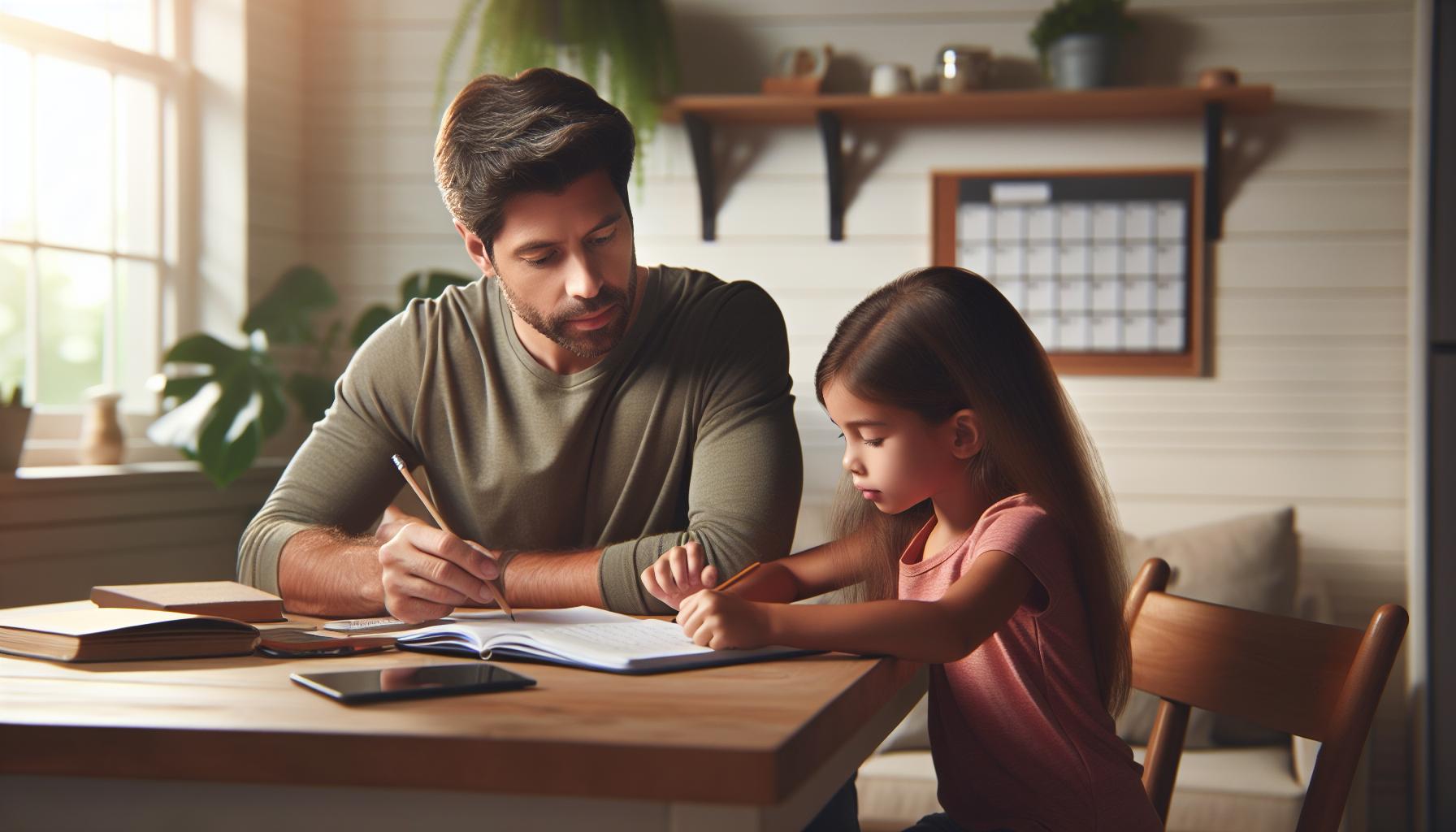
Establishing consistent routines between households creates stability for children in co-parenting situations. I’ve found that maintaining similar structures reduces anxiety while promoting healthy development across both homes.
Maintaining Similar Rules and Expectations
I coordinate core household rules with my co-parent to provide clear boundaries for our children. Here’s what works:
- Setting identical bedtimes on school nights (8:30 PM for ages 6-10, 9:30 PM for ages 11-14)
- Implementing matching homework schedules (30 minutes after school arrival)
- Aligning screen time limits (2 hours daily maximum)
- Using consistent discipline approaches (time-outs for younger children, privilege removal for teens)
- Maintaining similar mealtime expectations (eating at the table, trying new foods)
- Sharing a digital calendar with my co-parent for school events sports practices medical appointments
- Planning transportation arrangements 2 weeks in advance
- Coordinating equipment transfer between homes (sports gear academic materials musical instruments)
- Scheduling extracurricular activities during designated parenting time
- Creating morning checklists for school days in both homes
- Setting regular homework completion times (4-5 PM on weekdays)
- Establishing consistent pickup drop-off locations times
- Using shared online calendars to track activity schedules commitments
| Activity Type | Coordination Method | Update Frequency |
|---|---|---|
| School Events | Digital Calendar | Weekly |
| Sports | Shared Schedule App | Bi-weekly |
| Medical Appointments | Co-parenting App | As needed |
| Academic Activities | Email Updates | Monthly |
Building a Positive Relationship with Your Ex

I’ve learned that maintaining a constructive relationship with my ex-spouse creates a stable environment for our children. My experience shows that focusing on mutual respect and effective problem-solving strengthens our co-parenting partnership.
Setting Boundaries and Showing Respect
I establish clear personal boundaries by limiting discussions to child-related matters only. My communication remains business-like through:
- Scheduling specific times for co-parenting discussions
- Using designated communication channels like email or co-parenting apps
- Acknowledging my ex’s parenting decisions without criticism
- Maintaining privacy about personal life changes
- Respecting agreed-upon pickup times without exception
- Taking 24 hours to cool down before responding to contentious issues
- Starting difficult conversations with “I” statements instead of accusations
- Focusing solutions on our children’s best interests
- Documenting agreements in writing through our co-parenting app
- Engaging a mediator for complex disputes that we can’t resolve alone
| Response Time Guidelines | Priority Level |
|---|---|
| Emergency situations | Within 1 hour |
| Schedule changes | Within 4 hours |
| General questions | Within 24 hours |
| Non-urgent matters | Within 48 hours |
Supporting Your Children Through the Transition
I focus on providing emotional stability during my children’s adjustment to co-parenting by maintaining consistency in my parenting approach. My experience shows that children adapt more effectively when they receive dedicated support from both parents during this significant life change.
Being Present and Emotionally Available
I practice active listening by putting away my phone when my children express their feelings about the divorce or new living arrangements. Here’s how I maintain emotional availability:
- Schedule daily check-ins at consistent times like breakfast or bedtime
- Create a safe space for expressing emotions through designated “feeling talks”
- Validate their experiences with phrases like “I understand this is hard”
- Monitor behavioral changes such as sleep patterns or academic performance
- Respond to their questions honestly without criticizing their other parent
Creating Quality Time Together
I maximize meaningful interactions with my children through structured activities that strengthen our bond. My approach includes:
- Plan individual activities with each child based on their interests
- Designate device-free zones during meals or family game nights
- Create new traditions specific to my household such as Saturday morning pancakes
- Participate in their hobbies like attending their sports practices
- Document shared experiences through photos or journals
- Maintain consistent routines for homework help bedtime stories
- Schedule regular outdoor activities like hiking or bike riding
This focused attention helps maintain strong parent-child relationships while establishing new normal patterns in their lives. I integrate these quality moments into our regular schedule rather than treating them as special occasions.
Practicing Self-Care as a Co-Parent
I’ve learned that maintaining my physical and emotional well-being directly impacts my effectiveness as a co-parent. Self-care forms the foundation of successful co-parenting by helping me stay balanced and responsive to my children’s needs.
Managing Stress and Emotions
I practice specific stress management techniques tailored for co-parenting situations:
- Engage in 20 minutes of daily meditation before custody transitions
- Exercise 3-4 times weekly at a local gym during non-parenting days
- Journal difficult emotions or challenging co-parenting interactions
- Schedule therapy sessions twice monthly for processing co-parenting dynamics
- Use breathing exercises (5-7-8 method) before responding to tense communications
- Connect with other co-parenting dads through local support groups
- Schedule monthly meetups with trusted friends who understand divorce dynamics
- Participate in online co-parenting forums for shared experiences
- Consult with a family therapist for professional guidance
- Join parent-focused community organizations like PTA committees
- Work with a co-parenting coach to develop communication strategies
| Support Resource | Frequency | Purpose |
|---|---|---|
| Support Groups | Bi-weekly | Peer connection & advice sharing |
| Therapy Sessions | Twice monthly | Emotional processing & strategy development |
| Friend Meetups | Monthly | Social support & stress relief |
| Online Forums | Weekly | Resource sharing & community support |
Conclusion
Being an effective co-parent takes dedication commitment and a willingness to put our children’s needs first. I’ve learned that success comes from maintaining clear communication establishing consistent routines and setting healthy boundaries while focusing on our kids’ emotional well-being.
Remember that co-parenting is a journey not a destination. I’ve found that staying flexible adapting to changes and practicing self-care have helped me become a better father. By implementing these strategies and maintaining a positive mindset I’ve created a stable loving environment where my children can thrive despite having two separate homes.
Your commitment to being the best co-parent possible will make a lasting positive impact on your children’s lives. Stay focused on what matters most – giving your kids the love support and stability they deserve.

