
Every parent wants their child to grow up strong and confident, but what if those well-meaning intentions are shaping their little ones’ views on gender in ways they don’t even realize? From the toys they buy to the phrases they use, parents unwittingly play a starring role in the gender role drama unfolding in their kids’ lives.
Understanding Gender Roles
Gender roles consist of societal expectations regarding behaviors and activities associated with being male or female. Parents play a pivotal role in shaping these roles from an early age. The toys chosen for children often reflect traditional gender norms, influencing interests and preferences.
Boys typically receive action figures and trucks, while girls often get dolls and domestic playsets. Such choices can reinforce stereotypes, subtly guiding children toward specific expectations. Language used by parents also shapes children’s understanding of gender. Phrases like “boys are strong” or “girls are nurturing” create perceptual boundaries that children internalize.
Socialization within the family context profoundly affects how children view gender identity. Family dynamics, such as sharing household tasks, exemplify these roles. When fathers engage in caregiving tasks, daughters learn that nurturing isn’t limited to females. Moreover, conversations about emotions and vulnerabilities contribute to children’s perceptions of masculinity and femininity.
Peer interactions extend the learning beyond family. Children absorb societal cues from friends, media, and educational settings. Limitations imposed by parental influence can lead to a narrow understanding of what it means to be masculine or feminine. Some parents might encourage non-traditional interests, like a girl pursuing STEM or a boy engaging in the arts. These supportive environments cultivate broader perceptions of gender roles in their children.
Overall, parents’ choices are critical in molding children’s views of gender. Awareness of these influences allows parents to foster a more inclusive and flexible understanding of gender roles in their children.
The Role of Parents in Shaping Gender Perception
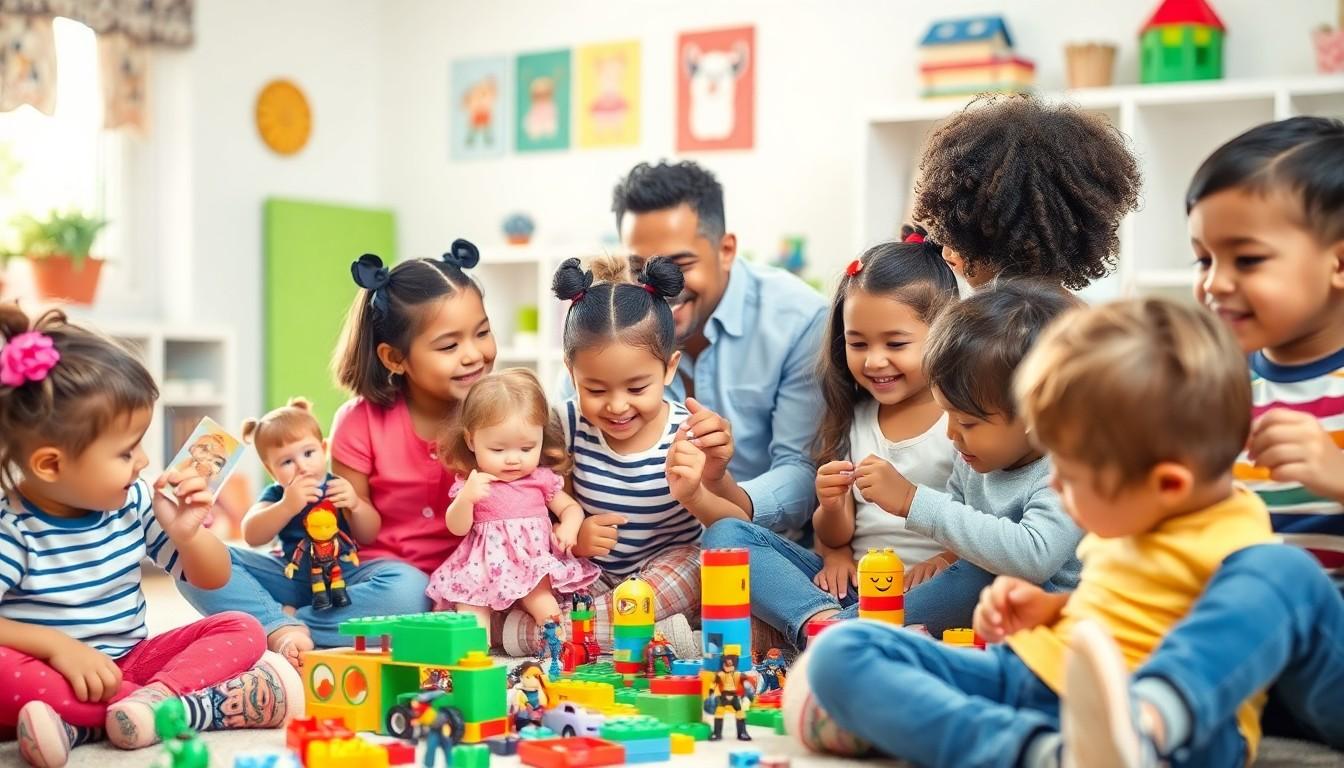
Parents significantly influence children’s understanding of gender roles. Choices regarding toys and language shape these perceptions early on.
Early Influences on Gender Identity
Parents introduce gender norms through toy selection. Action figures and trucks often appear for boys, while dolls and domestic playsets become common for girls. These choices enforce traditional stereotypes from a young age. Language also plays a crucial role. Phrases like “boys are strong” or “girls are nurturing” communicate societal expectations. Children internalize these messages, forming their understanding of gender identity. Observations of their parents’ behaviors further influence them. For instance, when children witness fathers cooking or caring for siblings, they perceive nurturing as a shared responsibility.
Parenting Styles and Their Impact
Parenting styles contribute significantly to shaping gender perceptions. Authoritative parenting encourages open discussion about gender norms. This approach supports children in exploring non-traditional interests and fosters broader gender understanding. Conversely, authoritarian parenting often enforces rigid roles, limiting children’s perspectives. Permissive parenting provides flexibility; however, it may lack guidance in navigating gender expectations. Parents who model egalitarian values teach children that roles aren’t restricted by gender. Family dynamics significantly impact children’s views. When parents share household tasks, children learn equality in responsibilities, further reinforcing inclusive gender perceptions.
Societal Norms and Expectations
Parents shape children’s understanding of gender roles through various societal norms and expectations. These influences manifest in numerous ways, including the media children consume and the cultural context in which they grow.
Media Influence on Gender Roles
Media serves as a significant force in reinforcing or challenging gender norms. Television shows, movies, and advertisements often depict traditional gender roles, with males portrayed as aggressive and females as nurturing. Such representations create benchmarks for what children perceive as acceptable behavior for their gender. Research shows that prolonged exposure to these stereotypes can limit children’s self-concept and aspirations. When parents guide media consumption, they can encourage critical thinking about these portrayals. By selecting diverse content, parents foster a broader understanding of gender expression in their children.
Cultural Variations in Parental Guidance
Cultural factors heavily influence how parents convey gender roles. In some cultures, strict gender distinctions prevail, leading to specific expectations about behavior and interests. For example, certain societies may endorse strong boundaries between male and female tasks, while others promote flexibility and shared responsibilities. Regional differences create diverse parenting strategies, affecting how children internalize gender norms. Parents often adapt their approaches based on cultural expectations. They can resist or support prevailing norms, impacting children’s views on gender roles. Understanding cultural variations allows parents to make informed choices in their child’s upbringing, ultimately guiding them toward a well-rounded perspective on gender.
Challenges in Addressing Gender Roles
Parents face several challenges in addressing gender roles effectively. These challenges often manifest in the form of societal pressures and traditional expectations.
Impact of Stereotyping on Children
Stereotyping significantly affects children’s development. Children often internalize stereotypes associated with gender, leading them to conform to societal expectations. Research shows that exposure to rigid gender norms can limit self-esteem and personal ambitions. For instance, boys might feel pressured to reject interests perceived as feminine, while girls may shy away from activities labeled as masculine. Such pressures lead to restricted life choices and hinder personal growth. Parents play a crucial role in countering these stereotypes through supportive dialogue and diverse experiences. Open discussions about gender diversity can help children understand that interests and abilities aren’t defined by gender.
Navigating Gender Fluidity and Nonconformity
Gender fluidity and nonconformity present unique challenges for parents. Recognizing that children may identify outside binary gender roles is essential. Some children express their identity in ways that diverge from traditional norms. Supporting this self-expression fosters confidence and self-acceptance. Parents can encourage exploration by providing inclusive environments that celebrate individuality. Respecting children’s choices in clothing, activities, and interests supports their journey toward authentic self-expression. Greater awareness of gender fluidity enables parents to foster open conversations about identity, promoting understanding and acceptance. Through such guidance, children can navigate their identities with confidence and resilience.
Conclusion
Parental influence on children’s gender roles is profound and multifaceted. The choices parents make in everyday life shape their children’s understanding of gender expectations. By fostering open discussions and embracing diverse experiences, parents can challenge traditional norms and promote a broader perspective on gender identity.
Encouraging children to explore interests beyond societal stereotypes helps build confidence and self-acceptance. Creating an inclusive environment where individuality is celebrated is essential for nurturing well-rounded individuals. As parents become more aware of their impact, they can actively contribute to a more equitable understanding of gender roles, empowering the next generation to embrace their true selves.

