
In Japan, parenting isn’t just a job; it’s an art form. With a blend of tradition and modernity, Japanese parents navigate the delicate dance of nurturing their children while keeping up with societal expectations. Picture this: a father who can expertly juggle work deadlines and school events while a mother balances home-cooked meals with the latest parenting trends. It’s a high-stakes game, and they’re all in.
As the world evolves, so do parental roles in Japan. Gone are the days of rigid gender expectations, giving way to a more dynamic partnership. This shift not only reflects changing attitudes but also highlights the importance of teamwork in raising the next generation. Dive into the fascinating world of Japanese parenting, where every day brings new challenges and triumphs, and discover how these roles shape family life in this vibrant culture.
Overview of Parental Roles in Japan
Parental roles in Japan blend traditional values with contemporary expectations. This dynamic environment influences how families navigate parenting responsibilities.
Historical Context
Historically, Japanese parenting reflected Confucian values, placing significant emphasis on filial piety and respect for authority. Mothers often took primary responsibility for child-rearing, while fathers served as providers. These roles remained largely intact until the late 20th century. Changes began with Japan’s rapid modernization and economic growth. By the 1980s, family structures started shifting, leading to decreased birth rates. Influence from Western norms introduced new perspectives on gender roles, creating a foundation for evolving parenting practices.
Modern Developments
Modern parenting exhibits marked shifts from traditional norms. Fathers increasingly participate in childcare and domestic responsibilities, breaking away from the historical provider model. Collaborative parenting approaches now emphasize partnership between mothers and fathers. Shared duties reflect broader societal changes, including women’s rising status in the workforce. Government initiatives, such as parental leave policies, support this trend by encouraging fathers to engage more actively. As a result, families increasingly prioritize emotional well-being, fostering open communication and teamwork in child-rearing.
Cultural Influences on Parenting
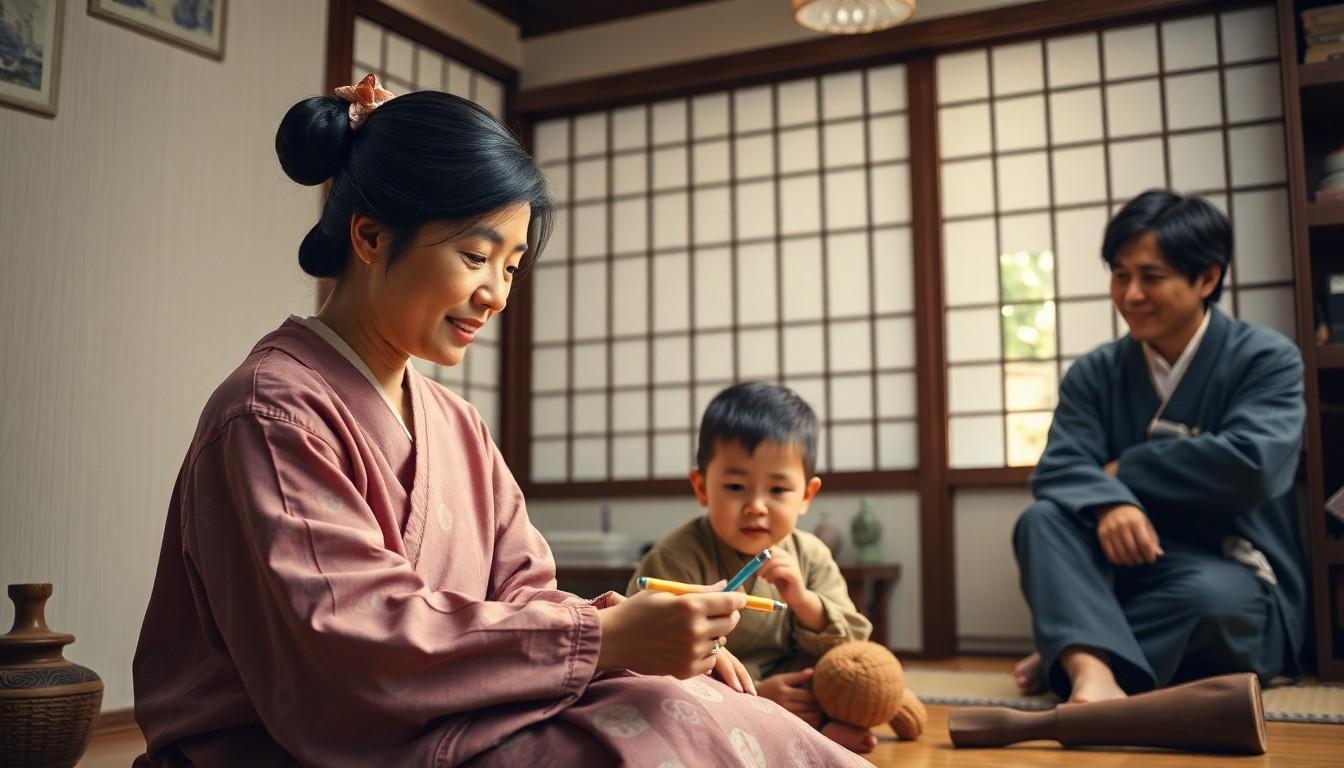
Parenting in Japan is deeply shaped by cultural dynamics. Understanding these influences reveals the complex landscape of family life.
Traditional Values
Confucian principles underpin much of Japan’s traditional parenting style. Mothers often assume the primary caregiving role, instilling discipline and moral values. Fathers traditionally focus on financial stability and authority. This family structure emphasizes respect for elders and collective harmony. As societal shifts occur, these roles evolve, but the core values often remain in practice. Parents continue to prioritize their children’s education and well-being, fostering a strong sense of responsibility. Efforts toward nurturing emotional intelligence are growing, blending traditional expectations with new insights.
Impact of Globalization
Globalization significantly reshapes Japanese parenting. Exposure to diverse perspectives encourages parents to adopt varying child-rearing practices. Cultural exchanges introduce new ideas about emotional support and education techniques. As fathers engage more in childcare, they embrace roles that challenge historical norms. Increased access to information allows parents to follow global trends, enhancing their knowledge base. They often seek advice from international parenting resources, reflecting broader societal changes. This mix of traditional and modern influences results in a more flexible approach to raising children, promoting adaptability in family dynamics.
Gender Roles in Parenting
Parenting roles in Japan reflect both traditional expectations and modern influences. Mothers and fathers increasingly share responsibilities, revealing a dynamic shift in family life.
Mothers’ Responsibilities
Mothers in Japan traditionally handle the primary caregiving duties. They manage daily needs, including education and health, focusing on instilling discipline and moral values. Engaging in activities such as school events and extracurriculars, mothers often serve as the emotional backbone of the family. This role contributes significantly to children’s overall development, emphasizing nurturing and guidance. Despite the increasing participation of fathers in child-rearing, mothers continue to prioritize their children’s upbringing, ensuring emotional stability and support throughout their formative years.
Fathers’ Involvement
Fathers are becoming more involved in parenting, challenging traditional norms. Many embrace domestic responsibilities, participating in household chores and childcare. This increased engagement reflects broader societal changes, including women’s rising status in the workforce. Enhanced parental leave policies encourage fathers to take active roles in family life. Such shifts portray a more collaborative approach to parenting, where fathers contribute to nurturing their children. As they share responsibilities, fathers help promote emotional intelligence and foster communication in their families.
Challenges Faced by Parents in Japan
Parents in Japan encounter numerous challenges that impact their ability to raise children effectively. The modern landscape demands a delicate balance between work obligations and family life.
Work-Life Balance
Achieving work-life balance presents significant challenges for many families. Long working hours often take a toll on parents, limiting their time spent with children. Many fathers struggle with rigid workplace structures that discourage flexible hours. Mothers frequently juggle full-time jobs alongside household responsibilities. As a result, they experience heightened stress, affecting emotional well-being. Japan’s work culture emphasizes dedication, causing many parents to prioritize their jobs over family time. Government initiatives aimed at promoting parental leave have seen gradual changes, yet cultural expectations still persist. Increased awareness of these issues sparks discussions about the need for change in corporate environments.
Support Systems
Support systems play a crucial role in addressing parental challenges. While traditional networks, such as extended family, provide assistance, they may not always be sufficient. Urbanization has led to disconnected living arrangements, making it harder for families to rely on relatives. Childcare facilities offer some respite, yet availability remains limited in urban areas. Parents often seek community organizations for support and networking opportunities. Peer support groups develop in response to the increasing demands of modern parenting. These groups allow parents to share experiences, advice, and resources, promoting emotional resilience within families. Initiatives aimed at providing accessible childcare services are likely needed to empower parents in Japan.
Conclusion
Parental roles in Japan reflect a dynamic interplay between tradition and modernity. As families navigate the complexities of contemporary life, the shift towards shared responsibilities is reshaping child-rearing practices. This evolution not only enhances emotional well-being but also fosters stronger family bonds.
Despite the challenges posed by work-life balance and urbanization, the commitment to nurturing children remains steadfast. Community support and government initiatives play a crucial role in empowering parents to adapt and thrive. The journey of parenting in Japan continues to evolve, embracing new perspectives while honoring time-honored values.

